Exploring the World of Wine: A Guide to Grape Varieties, Vintages, and Tasting Techniques
When you hear the word "wine," what comes to mind? Is it a cozy evening at home with a glass of red wine or perhaps a lively gathering with friends, sipping on sparkling wine? The world of wine is vast and intriguing, and at the heart of it lies an essential enigma: grape varieties. From the lush vineyards that spread across continents to the intricate notes that dance on our palates, understanding grape varieties can elevate your wine experience, making you a true wine enthusiast. This journey begins exploring terroir and culminates in tasting notes that bring out the personality of each wine style.
Terroir—the essence of the land where grapes are grown—plays a monumental role in winemaking. But what does terroir really mean? It encompasses everything from the climate and soil to the topography of the vineyard, and it profoundly influences the flavor profile of the wine. Imagine savoring a full-bodied wine from Napa Valley, its rich flavors echoing the sun-drenched hillsides, versus a crisp white wine from the Loire Valley, where the cooler climate grants it a freshness that delights the senses. The beauty of wine lies in these intricate connections to the land. How do you think a vineyard’s location impacts your favorite grape's taste?
As you embark on this sensory journey, let’s discuss the diverse grape varieties that form the backbone of the wine market. Have you ever wondered why some wines are labeled as sweet wine or dry wine? It all boils down to the grape's sugar content at harvest and the fermentation process employed. A sommelier would emphasize how regional wines, like those made from Sangiovese grapes in Tuscany, offer a distinct taste that heralds their origin. Wine courses often delve into these details, providing budding enthusiasts with tasting techniques that make every sip an adventure. Next time you uncork a bottle, what if you focused on the grape variety instead of the label?
Winemaking is not just a craft; it is an art form built on tradition and knowledge passed down through generations. Each vintage tells a story, and understanding how factors like climate fluctuations and regional practices shape a vintage helps demystify what’s in your glass. When visiting a winery, seize the opportunity to engage with the winemakers themselves, as they are often eager to share the nuances of their craft and the challenges they face, which can enrich your understanding of the wine education process. Have you explored any local wine festivals or joined a wine club that lets you sample various wine styles?
As we dive deeper into our wine guide, let's not forget the importance of proper wine storage and the role of wine glasses in enhancing flavors. Corking and decanting are practices that help manage the wine's exposure to air, significantly impacting how a wine breathes and tastes. Whether you're enjoying a robust red wine at a dinner party or a chilled dessert wine with a rich chocolate dessert, the right glass enhances every note. That said, how often do you consider what type of glass you're using when appreciating your wine? This small detail can make a world of difference!
In closing, the world of grape varieties is waiting to be explored, offering an array of experiences that delight the senses. Whether you're attending a wine tasting or invested in learning about regional wines from different parts of the globe, remember that every bottle tells a unique story. The next time you sip on a glass of rosé or a full-bodied cabernet, let the conversation about its grape variety and terroir unfold. So, what grape variety will you uncork next, and what new flavors are you excited to discover?
Mastering Vintages: A Sommelier's Guide to Wine Styles and Tasting Techniques
When it comes to wine, understanding vintages is like reading a beautiful novel that unfolds in layers, each chapter revealing something new about the grapes, the terroir, and the artistry involved in winemaking. Vintages can bring to mind images of picturesque vineyards under golden sunrays, the clinking of glasses at a winery, and the aroma of swirling notes in your wine glass. As a sommelier, my journey through wine styles and tasting techniques has been filled with delightful surprises, which I’m excited to share with you. From discovering the nuances of a full-bodied red wine to savoring the delicate sweetness of a dessert wine, the world of vintages offers something for everyone, whether you’re new to wine education or a seasoned wine enthusiast seeking to deepen your knowledge.
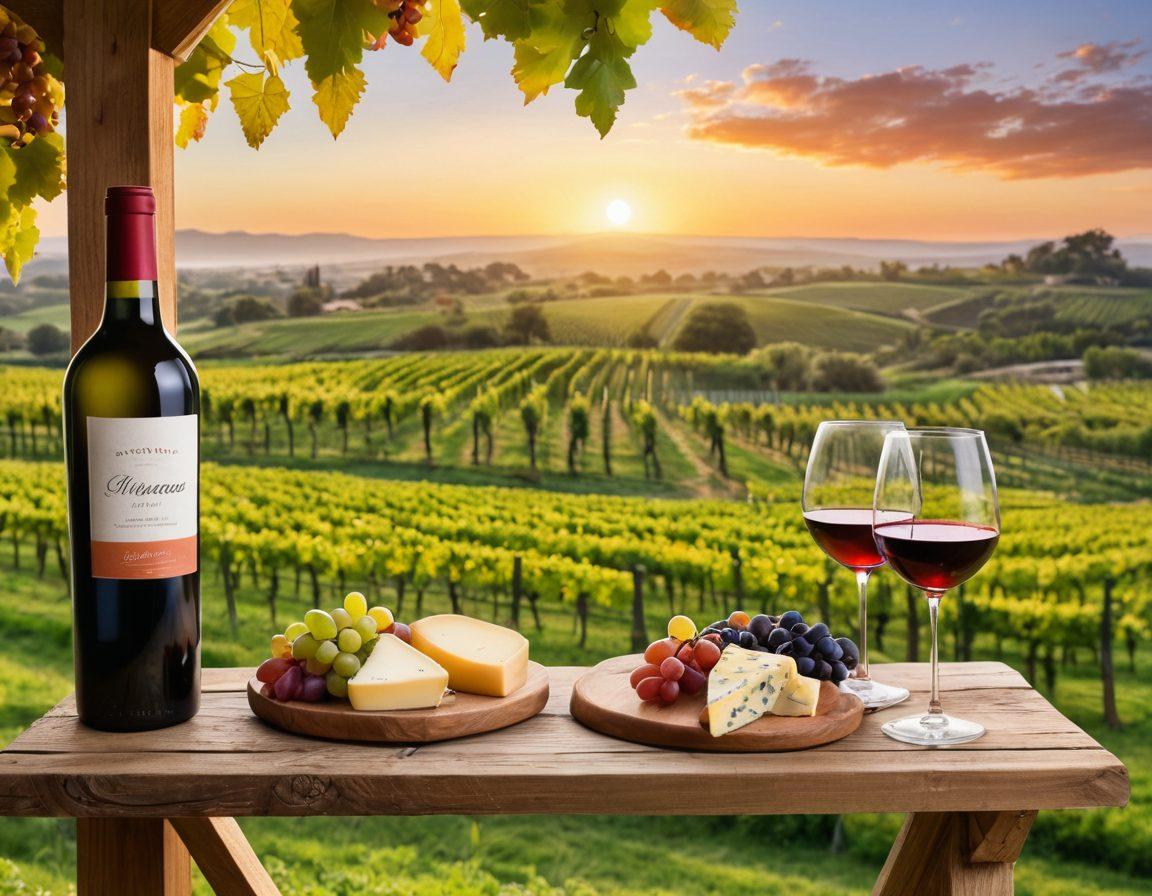
Imagine standing in the middle of a lush vineyard, surrounded by rows of grapevines that stretch as far as the eye can see. Each vine tells the story of its specific region, showcasing the region’s terroir, or the unique environmental factors that impact the wine’s flavor profile. This is the heart of oenology, the scientific study of wine and winemaking. But what truly sets vintages apart? Think of how different weather conditions in a single year can drastically change the flavor profile of a wine. A particularly rainy season might yield a lighter, more refreshing white wine, while a hot, dry year could produce an intensely flavored red wine perfect for aging in your wine cellar. So, what’s your ideal vintage: bold and full-bodied, or light and fruity?
When exploring wine styles, it’s essential to understand the broader categories: dry wine, sweet wine, red wine, white wine, sparkling wine, and dessert wine. Each type evokes different emotions and pairs well with various cuisines, making your journey through the wine market an exciting culinary exploration. Picture this: a crisp, dry white wine perfectly paired with fresh seafood, or a rich, velvety red wine that enhances the warmth of a beef stew. More intriguing still is the notion of wine festivals, where you can delight your senses with a diversity of regional wines and engage with fellow wine lovers. Attending a wine course can elevate your tastings, enabling you to craft educated tasting notes and truly appreciate the vast universe of wines.
Have you ever examined a wine’s legs as they drip down the sides of your glass, pondering the wine’s viscosity? This simple observation can tell you something about its alcohol content and body. As you dive deeper into tasting techniques, remember that decanting certain wines allows them to breathe and unveil their complex flavors. Corking can be an art itself—did you know that the way a bottle is corked can significantly affect the aging process? These subtle yet powerful methods will enhance your experience and understanding of the diverse wine styles out there.
For wine enthusiasts, joining a wine club or hosting your own themed tastings can expand your palate and foster deep connections over a shared love for wine. As you refine your wine storage techniques to ensure optimal aging, remember the importance of investing time in your wine education. Every bottle holds a story waiting to be revealed, and as you learn to articulate your experiences, you'll find that conversations about vintages can be as rich and satisfying as the wines themselves. So next time you pour that glass of Merlot or Champagne, take a moment to appreciate the history, effort, and passion behind each sip. What new vintage will you explore next?
Dive into Oenology: Essential Tips for Wine Storage, Festivals, and Enthusiast Communities
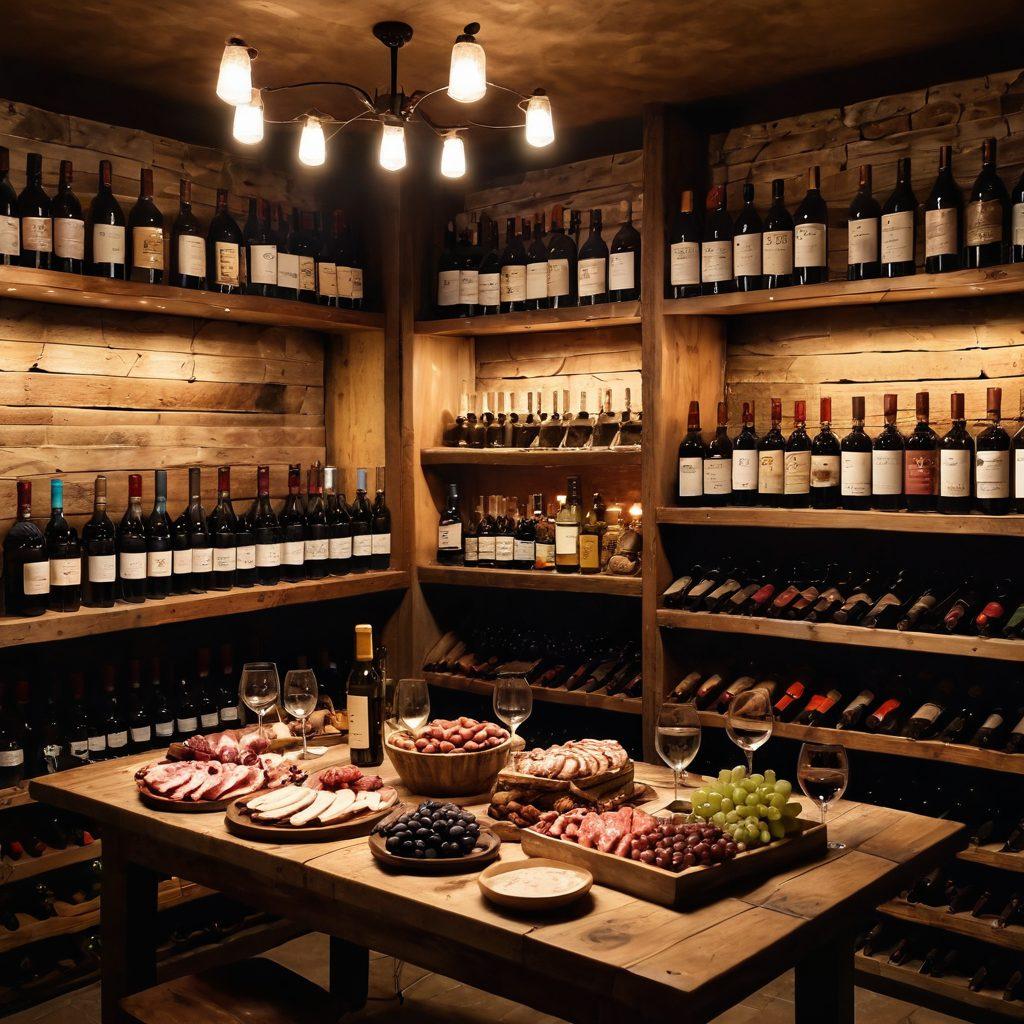
Imagine walking into a dimly-lit cellar, surrounded by rows upon rows of bottles, each holding its unique story within. Wine is more than just a drink; it's a journey through history, culture, and nature. Welcome to the vibrant world of oenology, where the art of winemaking invites both novice and seasoned enthusiasts to explore the delicate intricacies of grape varieties, vintages, and tasting techniques. Whether you’re planning to host a wine tasting or map out your next vineyard visit, understanding how to store wine, appreciate regional wines, and engage with a community of fellow wine lovers can open a world of enjoyment and discovery.
As an aspiring sommelier or a curious enthusiast, you might find yourself pondering a few essential questions: What’s the best way to preserve the integrity of your prized Chardonnay or Cabernet Sauvignon? Which wine styles can benefit from proper corking and decanting? These are the milestones of a true wine journey—the right wine storage practices can preserve the flavors of sweet wine and dry wine alike, ensuring that every sip brings you closer to the charm of its terroir. Store those bottles in a cool, dark place, ideally in a well-constructed wine cellar, where temperature and humidity can be controlled. After all, would you rather savor a rich, full-bodied wine at its peak or guzzle down an aged red that has long lost its character?
Wine festivals are events where the essence of oenology flourishes, bringing together wine enthusiasts and producers to celebrate the flavors and craftsmanship behind each bottle. These festivals serve as perfect platforms to taste a variety of regional wines, discuss your favorite vintages with fellow revelers, and even learn from experts in the field through engaging wine courses. Attending a festival is not merely about drinking wine; it’s about forming connections, sharing tasting notes, and perhaps discovering your next favorite vineyard. Have you ever met someone at a wine festival who inspired you to try a new wine style or even partake in winemaking?
If you’re serious about elevating your wine education and refining your palate, consider joining a wine club. Such communities often provide resources, curated selections, and exclusive access to delightful experiences—think private tours of a winery, tastings with the winemaker, and even informative sessions on wine investment strategies. The conversations you engage in can lead to an enriched understanding of everything from sparkling wine to dessert wine, and the camaraderie amongst members can turn each gathering into a celebration of shared knowledge and passion. What stories will you gather through these wine-loving circles?
So, as you step into the enchanting realm of oenology, equip yourself with the essential tips for wine storage, dive into the exciting wine festivals, and connect with an ever-growing community of wine enthusiasts. With the right wine glass in hand, a notebook for those tasting notes, and a curious soul, each bottle will reveal a narrative woven through time and place. In this intricate tapestry, may you find the joy of discovery and the magic that a fine bottle can bring to your gatherings. Are you ready to embark on this beautiful journey?